
الوصف
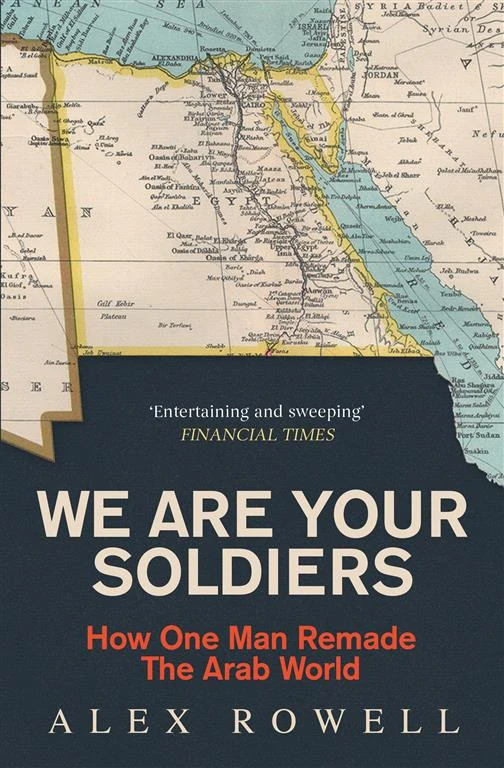
examines a searing, critical exploration of Middle Eastern authoritarianism through the enduring geopolitical legacy of Egyptian President Gamal Abdel Nasser. While best recognized across Western societies for reclaiming the Suez Canal from colonial control, Nasser managed an intricate, eighteen-year rule that fundamentally reshaped regional systems. Journalist Alex Rowell provides a meticulous historical reexamination focused across seven distinct territories, including Egypt, Iraq, Syria, Lebanon, Jordan, Yemen, and Libya. Relying heavily on extensive primary Arabic documents and newly uncovered local interviews, the text argues that Nasserism inadvertently drafted the repressive operational playbook utilized by future regional dictators. From intelligence-backed political assassinations to heavy military interventions like the devastating Yemeni Civil War, this comprehensive narrative details how the era fractured early democratic potentials. This illuminating modern political history unmasks the complicated undercurrents of pan-Arab nationalism and its long-lasting, turbulent impact on modern global affairs. [1, 2, 3, 4, 5, 6, 7, 8]