Description
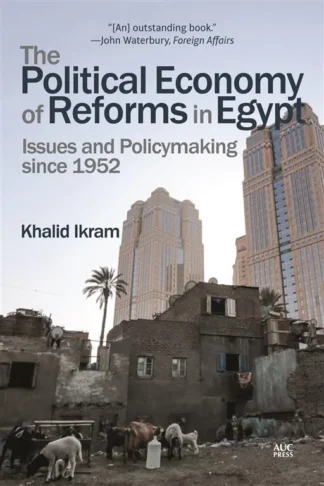
What are the long-term structural features of the Egyptian economy? What are the factors that have facilitated or inhibited its performance? This crucial and timely work answers these questions and more by examining the most important economic decisions to have impacted the Egyptian economy since 1952 and the political factors behind them. Drawing on Khalid Ikram’s extensive knowledge of economic policymaking at the highest levels, The Political Economy of Reforms in Egypt lays out the enduring features of the Egyptian economy and its performance since 1952 before presenting an account of policy-making, growth and structural change under the country’s successive presidents to the present day.
Topics covered include agrarian reforms; the Aswan High Dam; the move towards Arab socialism and a planned economy; the reversal of strategy and the infitah ; fiscal, monetary, and exchange-rate policies; consumer subsidies; external debt crises; negotiations between Egypt and international donors and financial institutions; privatization; labor and employment; and poverty and income distribution. The analysis concludes with an examination of institutional reforms and development strategies to tackle the Egyptian economy’s structural problems and lay the foundation for sustained and rapid growth. Written from the point of view of a ‘participant-observer,’ this book will be indispensable to students of political economy, to scholars of Egypt and the Middle East, and to the general reader who wishes to understand, especially from the wealth of insider information provided, how domestic and international politics and economics can interact to shape decisions that promote, or prevent, economic reforms.