Description
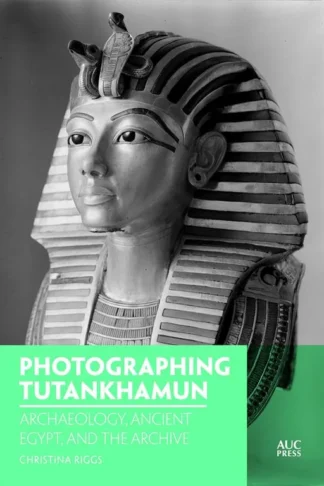
They are among the most famous and compelling photographs ever made in archaeology: Howard Carter kneeling before the burial shrines of Tutankhamun; life-size statues of the boy king on guard beside a doorway, tantalizingly sealed, in his tomb; or a solid gold coffin still draped with flowers cut more than 3,300 years ago. Yet until now, no study has explored the ways in which photography helped mythologize the tomb of Tutankhamun, nor the role photography played in shaping archaeological methods and interpretations, both in and beyond the field. This book undertakes the first critical analysis of the photographic archive formed during the ten-year clearance of the tomb, and in doing so explores the interface between photography and archaeology at a pivotal time for both. Photographing Tutankhamun foregrounds photography as a material, technical, and social process in early twentieth-century archaeology, in order to question how the photograph made and remade ‘ancient Egypt’ in the waning age of colonial rule.