
Description
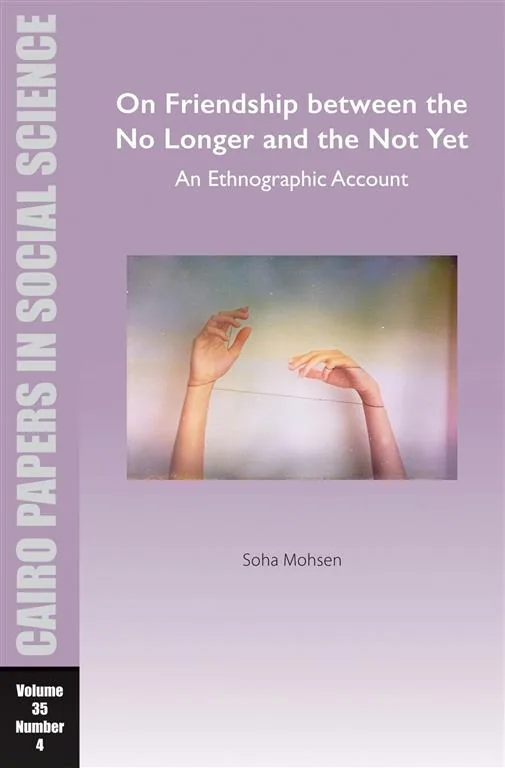
An ethnographic study of the contemporary meanings, forms, and purposes of friendship among young Egyptians There is a great deal to be said about ideas and imaginations of the “future” when one does not have the luxury of maintaining a slot in the present. In the midst of acute conditions of precarity and structural violences and vulnerabilities of different forms (political, economic, social, infrastructural) and magnitudes, Egyptians find ways to adapt and adjust, even experiment, with different arrangements and forms of connectedness.
By following, tracing, and accompanying friends and networks of friendship in and across Egypt’s two biggest cities, Cairo and Alexandria, this ethnographic account aims to highlight some of the contemporary meanings, forms, and purposes of friendship among young Egyptians with the aim of renewing and reviving the question, “What can friendships do?” Against a backdrop of conditions of precarity and the ruins of finance capitalism, this study examines the manifestations of how the relationship of friendship manages to re-invent and re-define itself. Moreover, it asks whether new modes of relationality, companionship, and intimacy can be cultivated and practiced given the current neoliberal conditions of living. The questions that this study attempts to open up are focused on the re-workings, reconfigurations, and re-makings of practices of sociality and intimacy between friends.