
Description
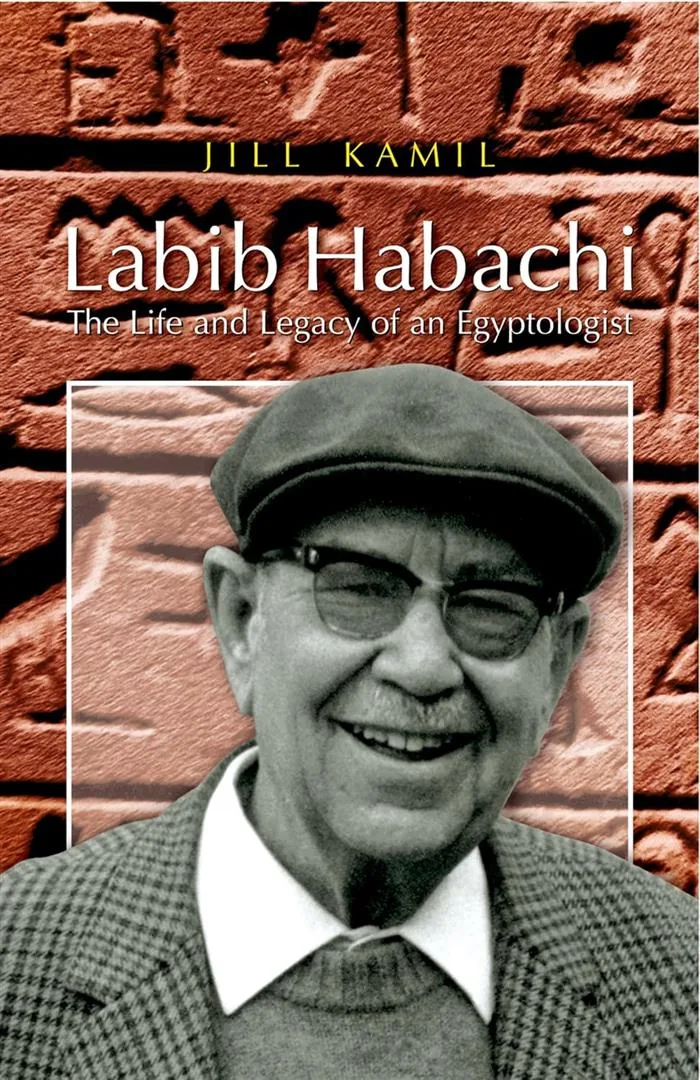
Labib Habachi, Egypt’s most perceptive and productive Egyptologist, was marginalized for most of his career, only belatedly receiving international recognition for his major contributions to the field. In Labib Habachi: The Life and Legacy of an Egyptologist, Jill Kamil presents not only a long-overdue biography of this important scholar, but a survey of Egyptian archaeology in the twentieth century in which Habachi’s work is measured against that of his best-known contemporaries among them Selim Hassan, Ahmed Fakhry, Abdel Moneim Abu Bakr, and Gamal Mokhtar. The account of Habachi’s major discovery, the Sanctuary of Heqaib on Elephantine in 1946, was shelved by Egypt’s Antiquities Department for thirty years.
When it was finally released for publication, it became the subject of a heated controversy between Habachi and a western scholar that was never resolved. To construct her picture of Labib Habachi, Jill Kamil draws on a wide range of sources, including a long personal acquaintance with the subject. Tracing the arc of Habachi’s career, Kamil sets his life’s work in its full context, providing a valuable perspective on the development of Egyptian Egyptology and the sometimes fraught relationship between Egypt’s scholars and the western archaeological establishment.