
Description
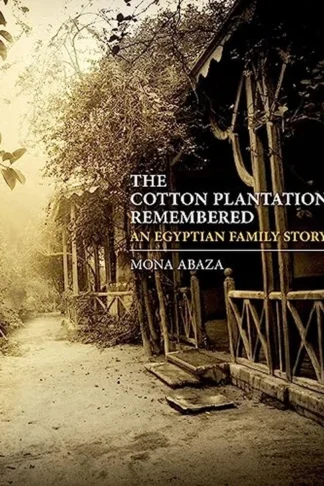
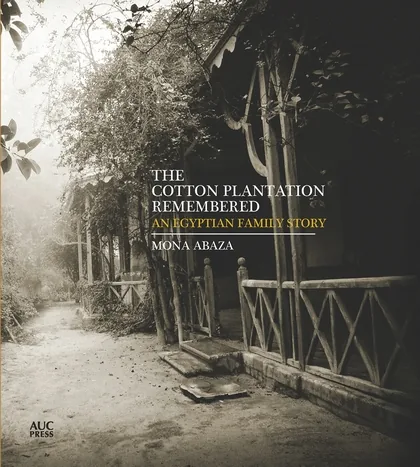
The story of one family’s relation to the land and cotton in a time of social change Cotton made the fortune of the Fuuda family, Egyptian landed gentry with peasant origins, during the second part of the nineteenth century. This story, narrated and photographed by a family member who has researched and documented various aspects of her own history, goes well beyond the family photo album to become an attempt to convey how cotton, as the main catalyst and creator of wealth, produced by the beginning of the twentieth century two entirely separate worlds: one privileged and free, the other surviving at a level of bare subsistence, and indentured. The construction of lavish mansions in the Nile Delta countryside and the landowners’ adoption of European lifestyles are juxtaposed visually with the former laborers’ camp of the permanent workers, which became a village (‘izba), and then an urbanized settlement.
The story is retold from the perspective of both the landowners and the former workers who were tied to the ‘izba. The book includes family photo albums, photographs of political campaigns and of banquets in the countryside, documents and accounting books, modern portraits of the peasants, and pictures of daily life in the village today. This is a story that fuses the personal and emotional with the scholar’s detached ethnographic reporting—a truly fascinating, informative, and colorful view of life on both sides of a uniquely Egyptian socio-economic institution, and a vanished world: the cotton estate.