Description
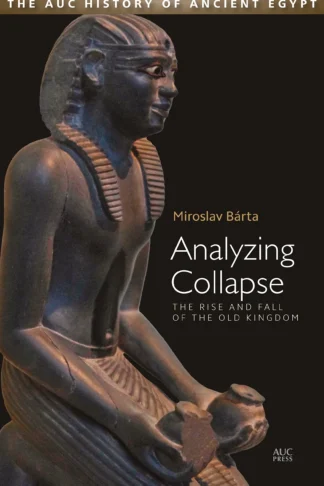
This book explores the long-term trends in the development of what was the first complex civilization in history, the Old Kingdom of Egypt (c. 2650–2200 BC), the period that saw the construction of eternal monuments such as Djoser’s Step Pyramid complex in Saqqara, the pyramids of the great Fourth Dynasty kings in Giza, and spectacular tombs of high officials throughout Egypt. The present study aims to show that the historical trajectory of the period was marked by specific processes that characterize most of the world’s civilizations: the role of the ruling elite, the growth of bureaucracy, the proliferation of interest groups, and adaptation to climate change, to name but a few?and the way that these processes held the germ of ultimate collapse. The case is made that the rise and fall of the Old Kingdom state is of relevance to the study of the anatomy of development of any complex civilization.