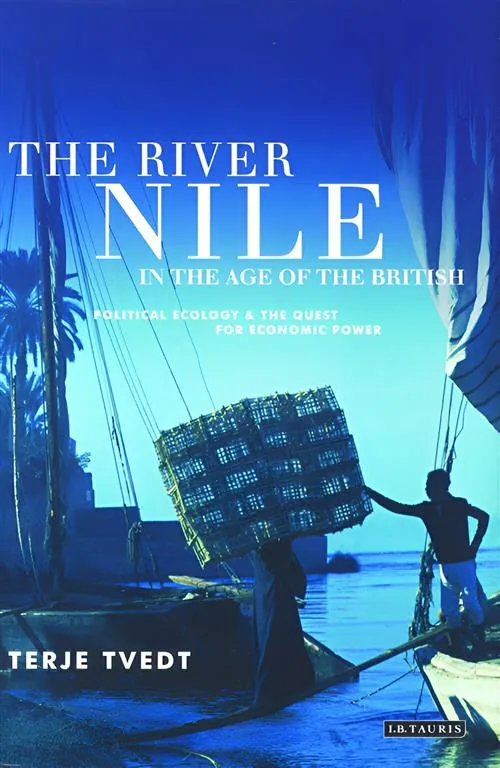

Description
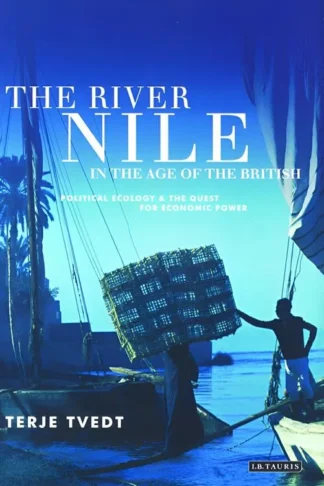
A history of ecology, colonialism, and the world’s longest river The Nile today plays a crucial role in the economics, politics and cultural life of ten countries and their more than 300 million inhabitants. No other international river basin has a longer, more complex and eventful history than the Nile. In telling the detailed story of the water politics of the Nile valley in the 19th and 20th centuries, social scien-tist Terje Tvedt recounts in details the political history of the Nile during its most revolutionary period.
From the construction of the Aswan Dam to Britain’s role in Ethiopian, Sudanese and Egyptian water politics, this thoroughly-researched history casts a fresh eye on the turbulent politics of this era. The colonial period saw sweeping changes in how politicians and scientists conceptualized and made use of water resources. In these pages are major political figures such as Churchill, Mussolini, Eisenhower, Eden, Nasser and Haile Selassie—indicating how much was at stake in the partition of the Nile’s resources. While Tvedt ends his narrative with the Nasser period, he makes clear that the issues involved—the political ecology of a major transnational river basin like the Nile—are still very much in play today.